Timothée Chalamet Tells Adam Sandler He Should Have a Golden Man in His Hand, and He Means It
Two of the most interesting actors working right now watch each other's movies and, somehow, neither one is wrong about the other.
 WATCH NOW↓
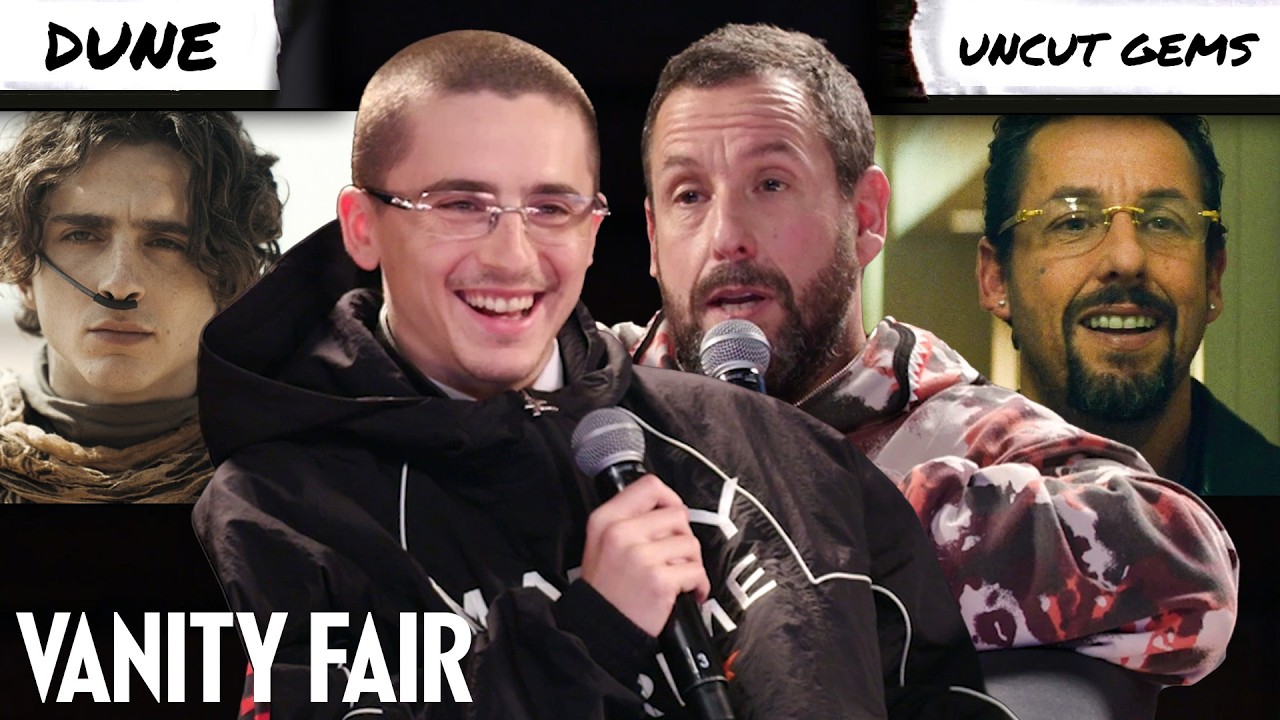
 At some point during this Vanity Fair clip-reel sit-down, Timothée Chalamet looks directly at Adam Sandler and says he should have an Oscar on his shelf for Uncut Gems. Not as a pleasantry. Not as a warm-up. He says it twice, with timestamps, practically filing an official complaint on behalf of the Academy. And the remarkable thing is that Sandler, who has spent a quarter century being underestimated by people who should know better, just sits there and says, ‘I love you, man.’ The mutual appreciation society vibe that these formats usually produce is present here, but it keeps getting interrupted by something more honest: two guys who have both been written off, in different ways, actually meaning what they say.
The format is simple. Vanity Fair plays clips. The two react. What you get instead of a structured interview is something closer to a locker room debrief, two actors who trust the Safdie Brothers and Paul Thomas Anderson and Noah Baumbach, who have both done the research, who have both shown up. Chalamet is 29 and already talking about Bob Dylan as a north star for how to handle fame. Sandler is 58 and still describing every shoot as the best time of his life. They are, weirdly, the same person.
I wrote that and I wrote Farley in there because I love Farley like the whole world did. I think that was the most I ever laughed on air at another guy.
The PTA Ribbon Story Is Everything
The Uncut Gems section earns its runtime. Sandler describes Paul Thomas Anderson arriving at his house with the script tied with an actual ribbon, telling him, ‘I really think you’re going to do good,’ and then either staying or going for a drive while Sandler read it. The ambiguity of whether PTA was literally sitting in the living room while Sandler read his own future is perfect. Sandler remembers thinking, scene to scene, ‘I get to do that. I get to do that.’ That feeling. Anyone who’s read a script that changes their mind about what they can do will recognize it immediately.
When PTA gave me the script, I’ll never forget he came to my house and he had it in his hand and he had it like a ribbon around it and he said, ‘I’d like to give you this gift.’
Chalamet’s response to the Uncut Gems clip is not the polite nodding of a younger actor being deferential. He comes in prepared. He’s seen the movie thirty times, he says, which tracks. He breaks down why the performance works, why the Howard Ratner phone booth scene in Hawaii is not about fireworks but about ‘a very human movie’ that makes you think about the stranger on the street who ‘is connecting with absolutely no one.’ It’s a more articulate case for Sandler’s dramatic gifts than most critics managed at the time. Sandler, delighted and a little undone, fires back: ‘Thank you, Jimmy. That was a hell of a thing to memorize.’
I think because you’ve ascended to such commercial heights and I hope I don’t make you uncomfortable by talking like this that the people that aren’t really in the know like don’t understand how impactful that performance was.
Marty Supreme and the Case for Openly Aspirational
Chalamet talking about Marty Supreme is the closest he gets to a mission statement. He says Josh Safdie gave him permission ‘to be sort of openly aspirational,’ something he frames as almost dangerous to be in the current media environment. He compares the character’s obsessive focus on ping pong to his own relationship to acting. He’s wearing contacts that blur his vision and glasses on top of them to create a fishbowl effect for the character’s eyes. He spent five or six years learning guitar for A Complete Unknown and cried at the end of that shoot, a heavy cry, because ‘this man’s great work had passed through me.’ This is not a person coasting on cheekbones. Sandler clocks it. ‘He’s the coolest, most confident bastard,’ Sandler says of the Marty character, and you get the sense he might also be talking about the actor playing him.
I feel like the gift of my life is to focus on this acting thing the way Marty Mouser is locked in on ping pong. There’s a path of living in fear, there’s a path of coasting, and then there’s the path of being locked in.
The Big Daddy section is a detour worth taking. Sandler explains that Scuba Sam, the father who shows up to thank Julian for taking care of his son, was drawn from real life, from his own father Stan putting on a scuba suit in their New York apartment to comfort young Adam about a lost toy. He says his family talked about that story forever. He put it in the movie for his pop. Chalamet, who has been performing gratitude and admiration for an hour, just says, ‘Wow, that is so sweet.’ It lands because by that point you believe him.
Guests: Timothée Chalamet, Adam Sandler
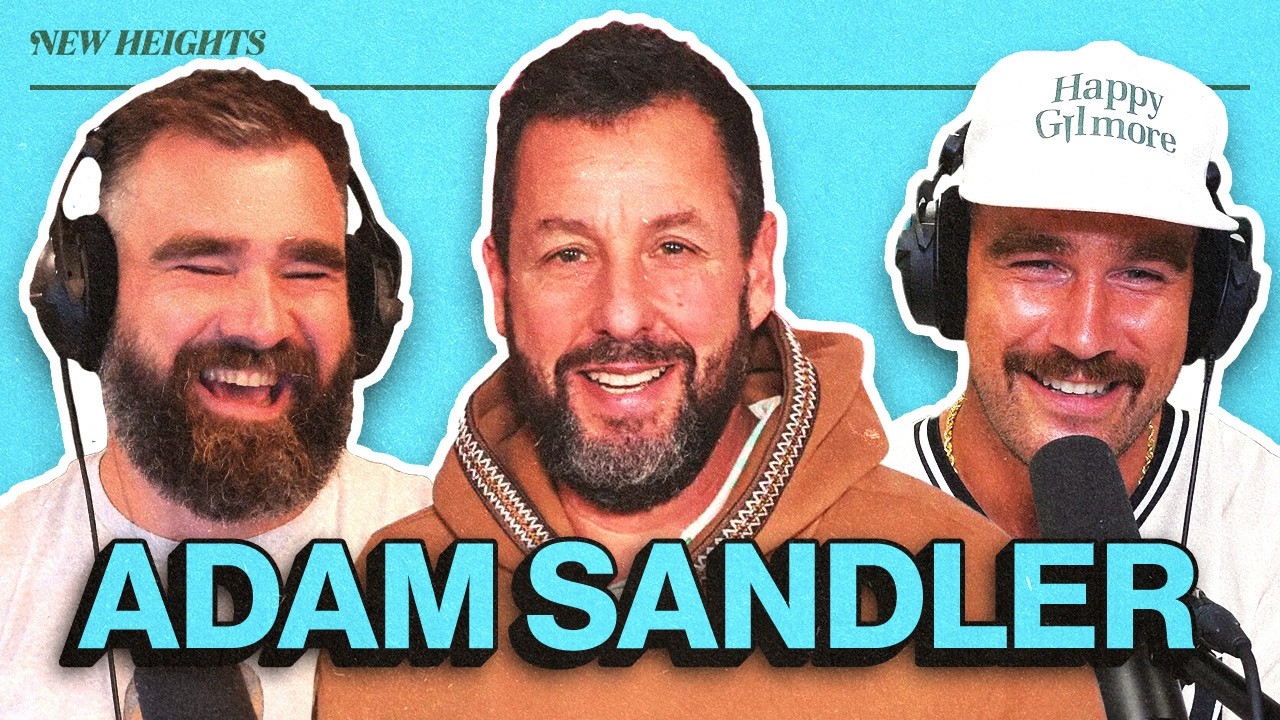
Adam Sandler on Happy Gilmore 2, Bobby Boucher's NFL Career, and Why He Still Gets Nervous Around Taylor Swift
The Sandman shows up on New Heights and turns a sports podcast into a forty-minute masterclass in being exactly yourself.
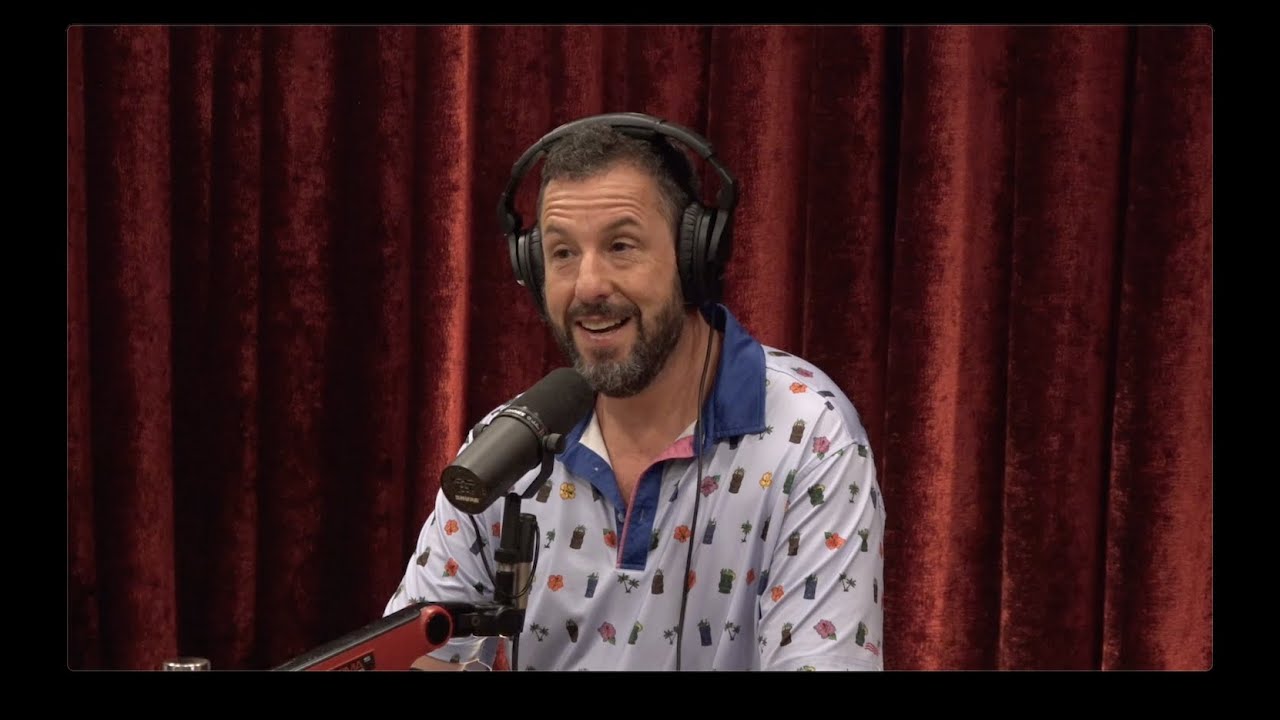
Adam Sandler on Bombing, Kevin Meany, and Why He Said Yes to the Netflix Special
Two hours and forty minutes of comedians talking about comedy, and almost none of it is boring.
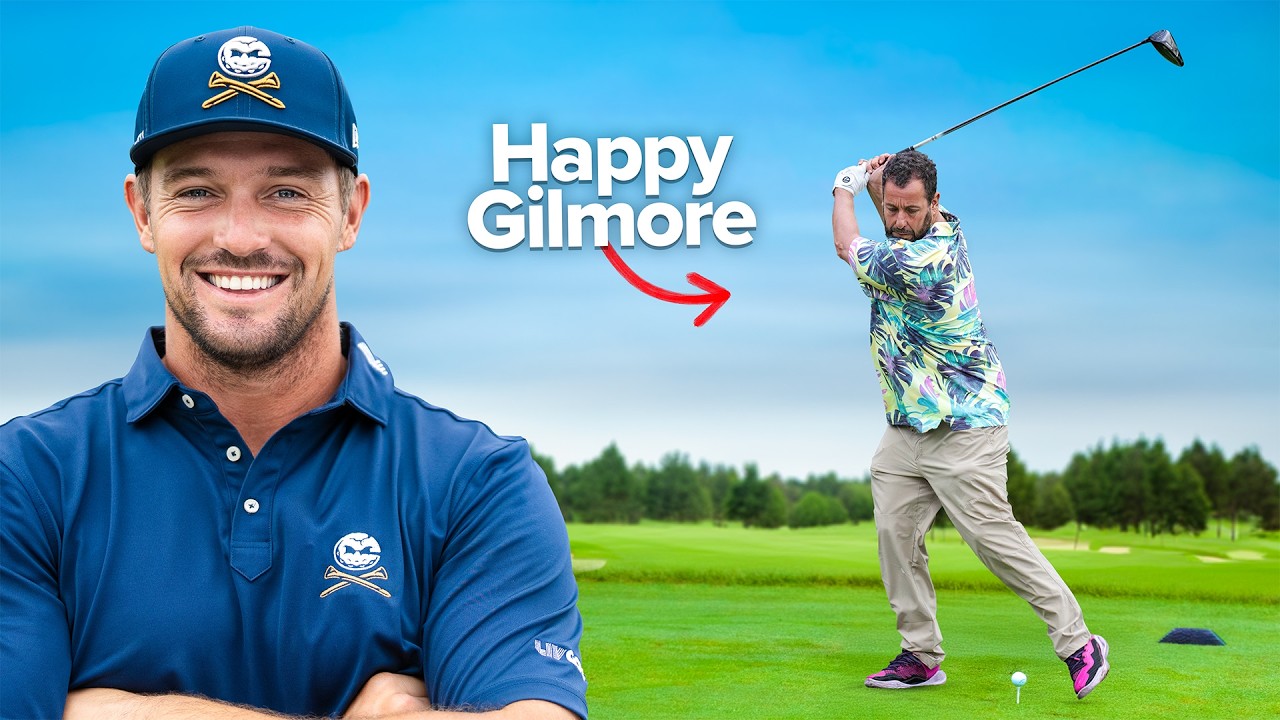
Adam Sandler Plays Golf With Bryson DeChambeau and Mostly Gets Out of the Way
Happy Gilmore 2 is coming, Shooter McGavin got his name from a Darren McGavin connection, and yes, the jock strap came up.
Tina Fey on Athletes, Almonds, and Why She Can't Get Her Kids to Watch 30 Rock
The Kelce brothers haul in Tina Fey and Nate Bargatze for an episode that somehow covers manspreading at MSG, a Cleveland Guardians ownership stake, and the origin of Nashville hot chicken.