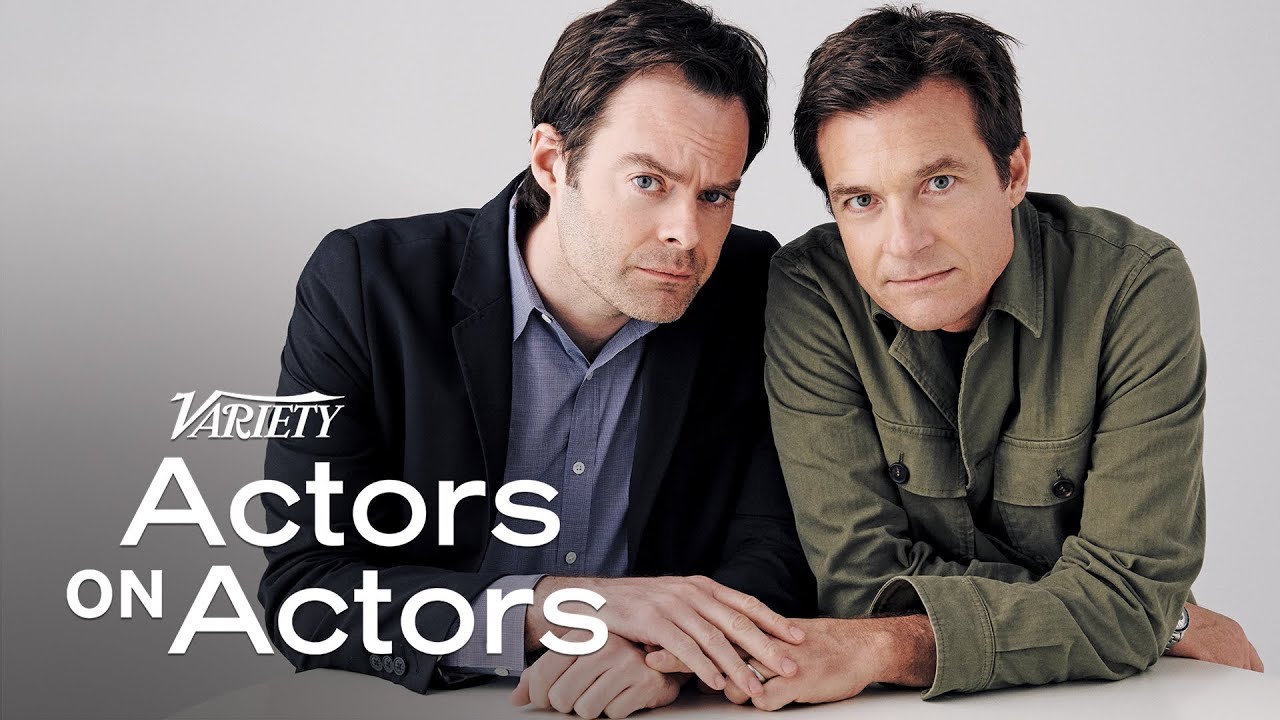
Jason Bateman and Bill Hader Discover They Are Basically the Same Person
Two actor-directors sit down and spend an hour cheerfully confirming each other's worldview.
 WATCH NOW↓
 The premise of Actors on Actors is essentially a controlled experiment: put two famous people in a room, give them permission to talk about themselves, and see whether anything true comes out. Usually it doesn’t. This one does. Bill Hader and Jason Bateman are so temperamentally similar that watching them talk is less like an interview and more like a man discovering his reflection has a different haircut. Both came up performing. Both ended up directing. Both are more interested in the machinery of a scene than in the applause it generates. The conversation has the easy momentum of two people who don’t need to perform for each other, which is, given their day jobs, a genuine relief.
The thing they keep circling is the straight man. Bateman’s whole theory of himself as a performer rests on it. He’s not chasing the laugh. He’s the audience’s way in.
I like to be the audience and so I’m really attracted to characters that are sort of the everyman or the straight man or the same guy or really just a proxy for the audience.
It sounds modest but it’s actually a pretty sophisticated claim. Bateman’s argument is that comedy collapses when everyone onstage is equally weird. Somebody has to be Earth so the Martians register as Martians. Hader gets there faster than Bateman even finishes the thought, because Hader spent years at SNL being the guy who could anchor a sketch while wearing a puppet ostrich and a fur coat. They both learned it the same way: by watching what happened when they didn’t do it.
The Part Where They Figure Out Barry
The Barry origin story Hader tells is legitimately good. He pitches Alec Berg on a hitman premise. Berg hates hitman stories. Hader’s solution is simple and it works: what if it was just him, unspecial, a dork. Berg bites. They add the acting class, and the whole engine of the show clicks into place almost by accident. HBO apparently had to point out what the show was actually about.
He’s taking an acting class so he couldn’t because he shut off emotion the acting class is making him he’s learning how to be a human and you went exactly yeah no it’s totally what we will did you yeah how what took you so long to figure that out Einstein.
Hader tells this on himself cheerfully. The show about a man figuring out how to feel things was created by two guys who also had to be told what it was about. That’s either a warning about the limits of self-awareness or proof that the best ideas arrive sideways. Probably both.
What’s striking about how they both describe running their shows is the emphasis on freedom within a fixed endpoint. Bateman puts it cleanly: how you get from A to Z is up to you, just know we start at A and end at Z. Hader describes Stephen Root doing three takes of a scene angry and standing, then sitting down and leaning in quiet and close, and the whole thing shifting underneath him without a word of direction. The point isn’t that directors should let actors do whatever they want. The point is that controlling the result too tightly usually kills it.
When they do that to you you just you’re not acting in that moment you go and it did a different thing for me in a way.
Comedy Has Homework Now
There’s a stretch about language and what’s acceptable in comedy that could easily become insufferable and somehow doesn’t. Hader is direct about the Stefon sketch, about getting a letter saying you can’t say midget, about updating the bit the next time he hosted. His reasoning isn’t ideological. It’s practical and almost disarmingly simple: somebody told him it mattered to them, and he couldn’t find a good reason to keep doing it. He extends the same logic to the word retard, which he says he stopped using after having kids and sitting in a hospital room waiting to find out if a child can hear. That’s not a culture war position. That’s just a person who updated their information.
He also makes a case for Barry’s brand of comedy that’s worth taking seriously. There are no jokes outlined in the scripts. The writers talk about story, emotion, logic. The funny arrives from character, not from setups. Bateman notices this from the outside and names what it costs: those scripts probably don’t table read well. Hader agrees and doesn’t seem bothered. Henry Winkler will sell it. The audience will follow. Just know what you’re doing and trust the people you hired. As creative philosophies go, it’s not flashy. It works.
Guests: Jason Bateman, Bill Hader
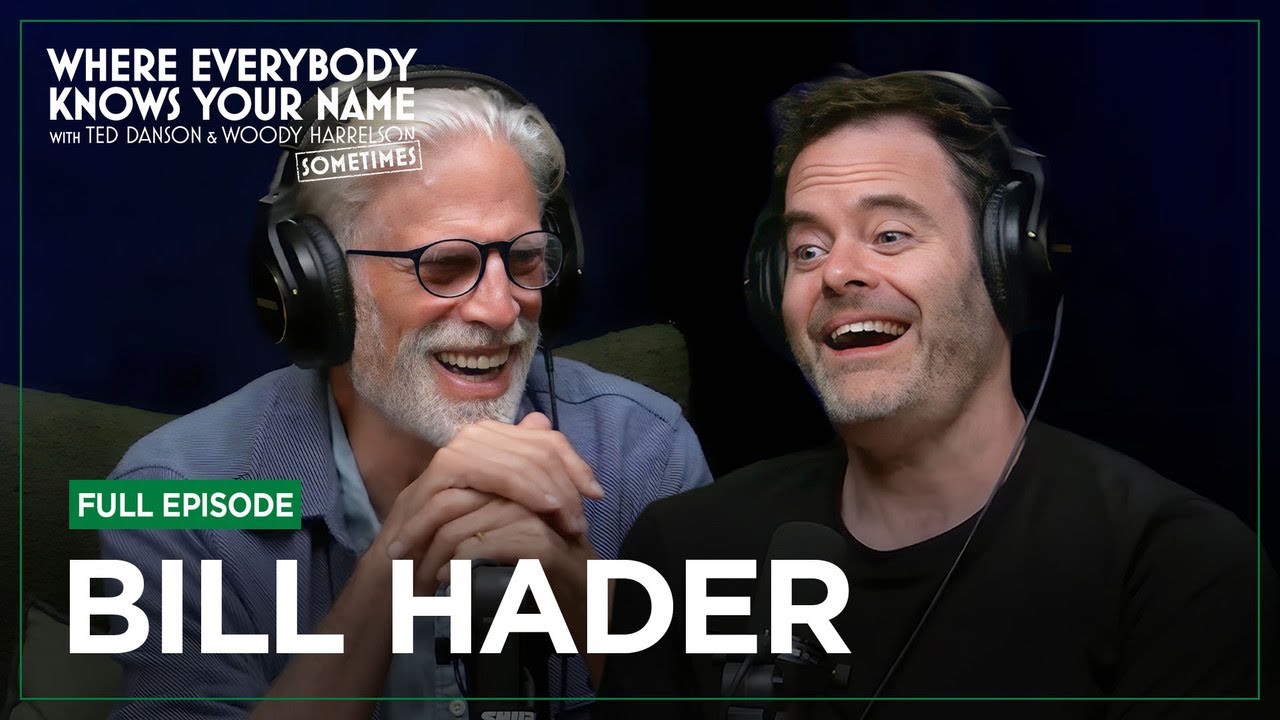
Bill Hader and Ted Danson Bond Over the One Thing Funnier People Are Supposed to Hide
Two of the most decorated comedy actors alive spend ninety minutes comparing anxiety attacks, SNL nightmares, and the specific horror of bombing in front of a Sarah Palin crowd.
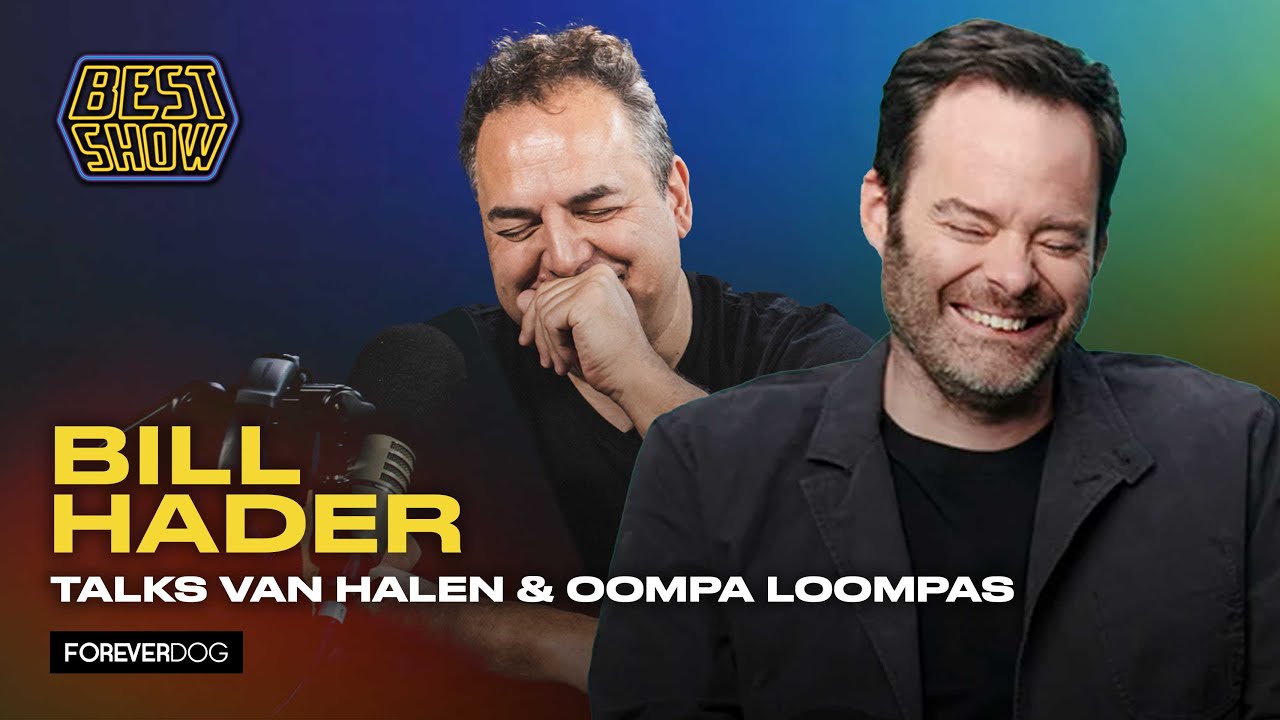
Bill Hader on Celebrity Text Chains, Van Halen Brothers, and the Oompa Loompa Union Meeting That Went Nowhere
The Barry creator stops by The Best Show to discuss fake press conferences, David Lee Roth's inexplicable EP, and a pitch to the Roald Dahl estate that died on arrival.
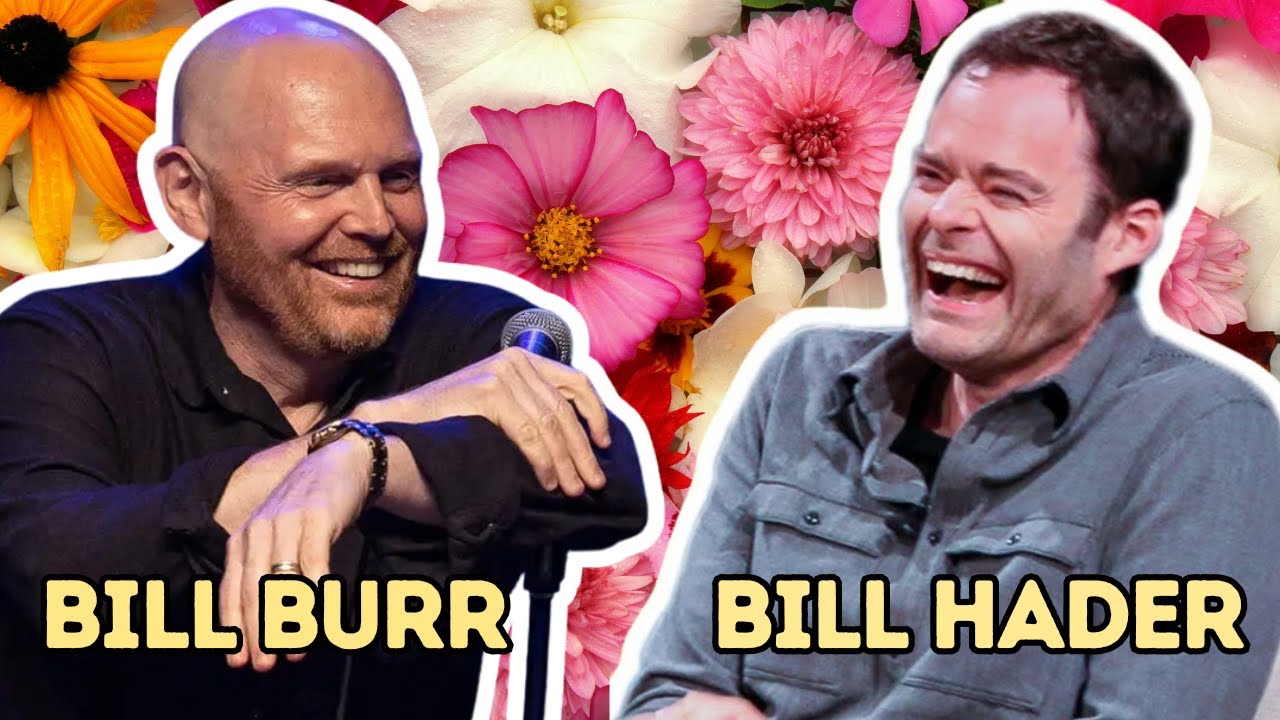
Bill Hader Accidentally Poisoned Himself Before Bill Burr's Show, and Barry Is Still Great
Two Bills meet for the first time and spend an hour talking about nut allergies, Scientology acting classes, and why Eddie Murphy should have kept going.
Bill Hader and John Mulaney Spend an Hour Not Talking About Barry
The 92nd Street Y asked two of television's best comedy writers about a prestige HBO drama. They mostly talked about Casey Kasem and Eliot Spitzer.