John Mulaney on Arenas, Addiction, and the SNL Writer Who Thought He Could Dress Himself
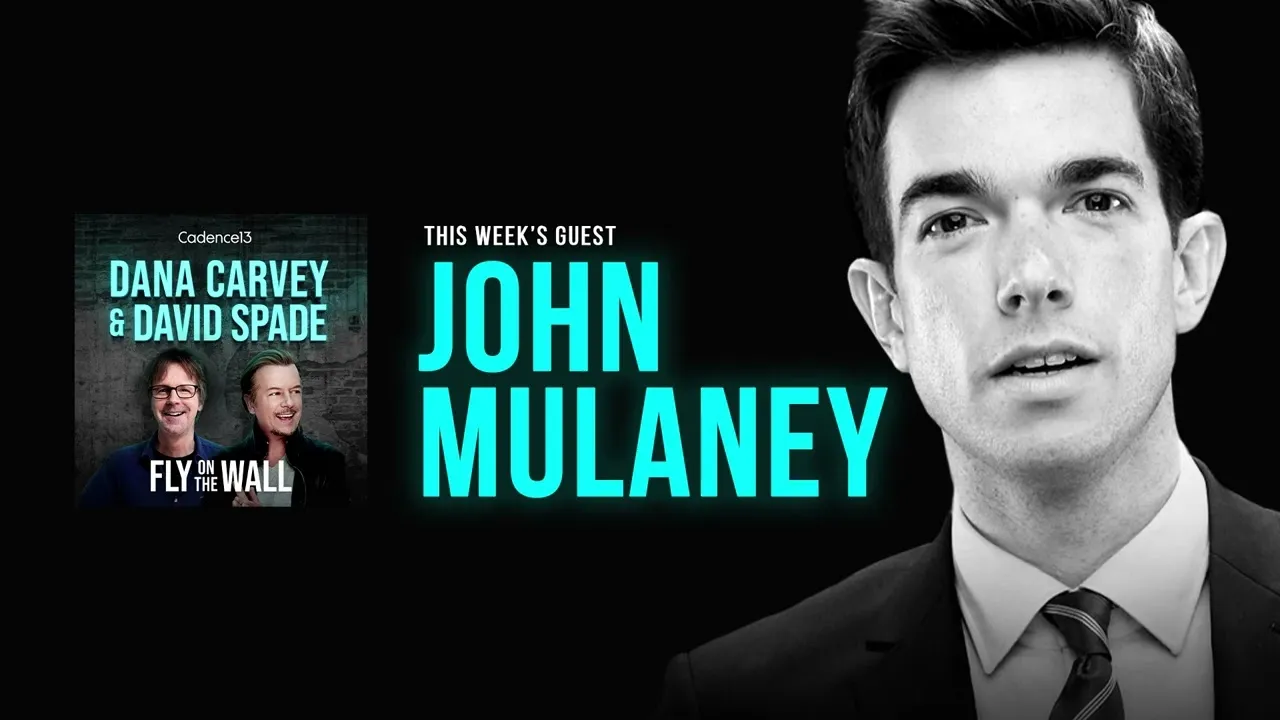
Mulaney joins Dana Carvey and David Spade to talk sobriety, Madison Square Garden, and why Mickey Rooney wanted to shoot a serial killer.
Listen on YouTube · Spotify · Apple Podcasts
 WATCH NOW↓
 There is a version of John Mulaney’s appearance on Fly on the Wall that is just a pleasant SNL reminiscence podcast, three guys trading war stories about Phil Himes and bad read-throughs and the miserable politics of home base placement. That version exists here. But then Mulaney says, almost as an aside, ‘thank God cocaine and Arenas didn’t overlap,’ and the whole conversation quietly reorganizes itself around that line. He’s playing Madison Square Garden three nights. He spent time in rehab. He has a six-month-old son named Malcolm who babbles to himself on the baby monitor like, in Mulaney’s description, Jiminy Glick. He is, by most available evidence, genuinely okay. The episode earns that conclusion the slow way, which is the right way.
Dana Carvey and David Spade are generous hosts in the specific sense that they don’t try to out-funny their guest. Spade gets off a good line here and there, Carvey does his thing with the Mickey Rooney voice, and then they mostly get out of Mulaney’s way. The format suits him. He’s a talker. Give him a couch and a question about Girl Scout cookies and he’ll build you something.
The Mickey Rooney Industrial Complex
Before the heavier material arrives, the episode spends a generous stretch on Carvey’s Mickey Rooney impression and the associated lore, specifically the story of Rooney wanting to personally confront serial killer Juan Corona in prison. The plan, as Rooney apparently conceived it, involved walking into a maximum security facility, announcing himself, and then shooting the man. Mulaney identifies exactly what is funny about this: Rooney had fully worked out his opening line and had given zero thought to anything else.
I like that he thought he could walk into a Maximum Security Prison like he… what he had worked out in his mind was what he was gonna say. Not any of the logistics of walking in.
This is Mulaney’s gift in miniature: he finds the specific structural absurdity inside a story and pulls on it until it unravels into something genuinely funny. Carvey has been telling versions of this Mickey Rooney material for years, but Mulaney’s annotation of it, the bit about Corona potentially recognizing Rooney and thereby saving his own life, is new architecture built on top of the original story. Spade’s comment that in a street fight ‘you think you’ll have a lot of time to do one-liners but it just moves too quickly’ is the funniest thing he says all episode, and he says a lot of things.
The SNL Material They Swear Has Never Been Covered
Spade’s joke about how the SNL week ‘has never been covered in any media yet’ is genuinely funny precisely because it’s true that the same stories keep getting told. And yet. The specific texture of Mulaney’s experience as a writer who occasionally got to do Update adds something. He describes showing up to ask costume designer Tom Broeker for approval on his blue shirt and navy blazer, announcing proudly that the shirt didn’t wrinkle, and receiving a response of total indifference from a man who had designed actual television.
I remember saying to him like this this shirt doesn’t uh it don’t worry it doesn’t like Moray on camera… he goes you’ll cross my mind at 11 when I realize you’re on the show.
There’s also a genuinely useful piece of direction buried in the SNL talk: Lorne Michaels, before Mulaney’s first Update appearance, told him to ‘relax your face’ and look into the camera ‘like you’re talking to someone you know.’ That’s the whole job, honestly. Most people never figure it out.
The Actual Thing
When the conversation gets to sobriety, Mulaney doesn’t perform gratitude and he doesn’t perform damage. He describes the specific cognitive experience of addiction with a precision that doesn’t sound rehearsed, which, given that he’s a professional who has discussed this publicly, is its own kind of skill.
I was sort of like I don’t trust being alone with me. I mean I’m the person that did all this damage to myself. You’re with… when you’re a drug addict you’re with the person that has tried to destroy you all the time.
He also says, with the flat clarity of someone who has actually thought it through, that he didn’t use drugs and do stand-up simultaneously, so the fear wasn’t about performing sober. It was simpler and worse than that: he wasn’t sure the person running his life knew what they were doing. That’s a different kind of problem. The arena tour, Malcolm on the baby monitor doing character work, the suit, the whole thing, reads as the other side of that problem. Carvey and Spade are smart enough to let it sit there without capping it with a lesson.
The episode ends, as these things often do, with both hosts riffing on SNL memories they’ve told before and Mulaney saying he doesn’t actually have anywhere to be. He keeps making the interview longer. You don’t mind.
John Mulaney, John Mayer, Jimmy Carr, Jim Gaffigan, and Jim Downey Walk Into Conan's Podcast
Five guests, one episode, and a running lawsuit fantasy that somehow becomes the most coherent bit of the whole thing.
John Mulaney Tells Theo Von About the Gorilla in His Head
Two comedians who have spent serious time in the wreckage compare notes on cocaine, sobriety, and chasing the version of yourself that existed before things got dark.
John Mulaney Ate Hot Wings at 11 a.m. and Told the Truth About Rehab
Baby J is Mulaney's best special, he says, and on Hot Ones he gave you the receipts between tears and fish-food flavors.
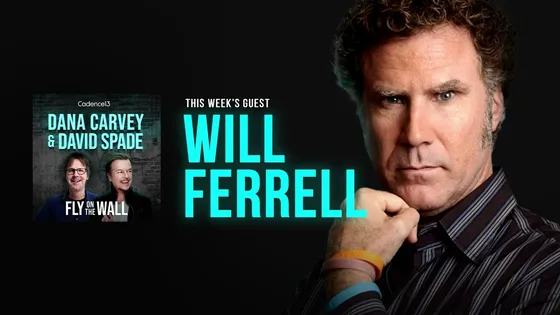
Will Ferrell says Lorne Michaels told him to leave SNL only after he started to dip
Ferrell’s exit advice from Michaels sounds insane until you remember the next three movies were Old School, Elf, and Anchorman.
The circuit, read weekly. No noise.